
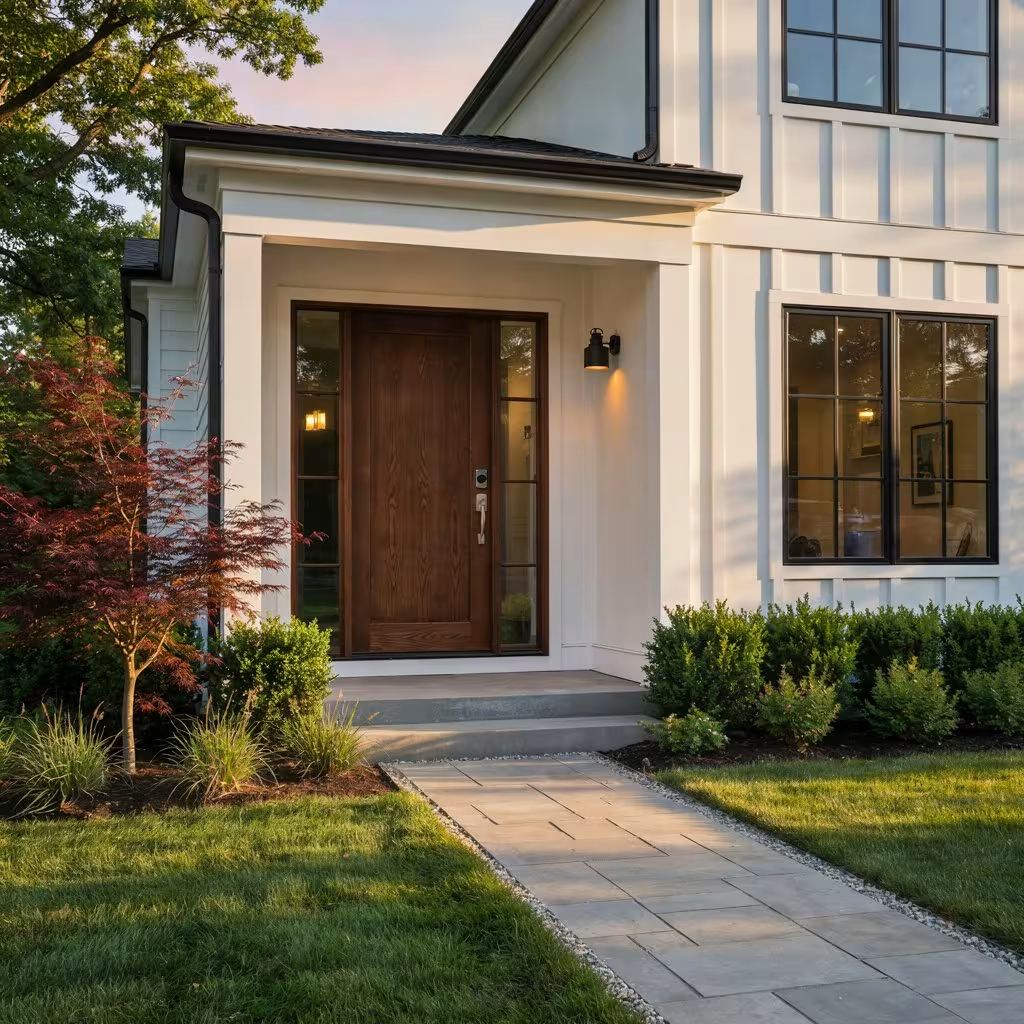
Your front door does more than open and close. It sets the tone for your entire home before a guest even steps inside. Choosing the best exterior doors isn’t just about looks anymore it’s about energy efficiency, storm protection, security, and long-term value. After years of watching door trends shift from painted flat neutrals to bold, nature-inspired statement pieces, one thing is clear: 2027 is building on a foundation that started taking shape in 2026, and homeowners who understand these shifts make smarter, longer-lasting choices.
This guide breaks down everything you need to know: the materials, the styles, the pros and cons, and the trends worth watching so you can pick a door that actually fits your climate, your budget, and your home’s character.
Why Your Exterior Door Choice Matters More Than Ever
A front door sits at the intersection of curb appeal, security, and home performance. It’s exposed to sun, rain, wind, and temperature swings every single day, so the material and construction quality directly affect how long it lasts and how much it protects your energy bill. A poorly insulated or improperly sealed door can leak conditioned air, forcing your HVAC system to work harder. On the flip side, a well-built door with the right core material can pay for itself in energy savings over time.
There’s also a safety angle. Storm activity has intensified in many regions over the last few years, and building codes in coastal and high-wind areas now demand doors that can handle real structural stress. So when you’re comparing exterior door types, you’re really weighing three things together: how it looks, how it performs, and how long it will hold up.
Exterior Door Types Materials Compared
Not all doors are built the same way, and the material you choose affects everything from maintenance to insulation. Here’s a practical breakdown of the most common options.
1. Fiberglass Doors
Fibreglass has become the go-to choice for homeowners who want the warmth of wood without the upkeep.
Pros:
- Resists warping, cracking, and rotting far better than solid wood
- Can be finished to mimic real wood grain convincingly
- Strong insulation when paired with a polyurethane foam core
- Low maintenance no repainting or resealing every couple of years
Cons:
- Higher upfront cost than steel
- Repairs to dents or deep scratches can be tricky to blend in
2. Steel Doors
Steel doors remain a budget-friendly option with solid security credentials.
Pros:
- Most affordable option for strong security
- Naturally resistant to fire and pests
- Available in a wide range of factory-painted finishes
Cons:
- Prone to denting from impact
- Can rust over time if the finish is scratched or chipped
- Poor insulator unless it has a quality foam core
3. Solid Wood Doors
Wood is making a real comeback in 2026 and 2027, especially in warm, natural stains rather than flat paint.
Pros:
- Unmatched natural beauty and grain character
- Can be refinished and repaired repeatedly over decades
- Excellent for traditional, craftsman, and farmhouse-style homes
Cons:
- Requires regular sealing and maintenance
- Sensitive to humidity, which can cause swelling or warping
- Generally the most expensive material
4. Wrought Iron and Iron-and-Glass Doors
Once reserved for luxury homes, iron doors are showing up more in mainstream renovations, especially in storm-prone regions.
Pros:
- Exceptional durability and impact resistance
- Striking, high-end appearance with glass panel options
- Increasingly built with laminated impact glass for storm codes
Cons:
- Heavy, often requiring reinforced framing
- Higher cost and longer lead times
- Conducts temperature more than insulated composite doors
5. French and Double Entry Doors
French-style doors continue gaining ground as homeowners prioritize natural light and an indoor-outdoor connection.
Pros:
- Floods entryways with natural light
- Creates a grand, symmetrical first impression
- Works beautifully for wide, open-concept entrances
Cons:
- Less private than a solid door
- Glass reduces insulation unless it’s double- or triple-paned
- Typically costs more due to hardware and multi-point locking systems
Front Door Trends Shaping 2026 and 2027
Understanding current front door trends helps you avoid choosing a style that feels dated in a few years. Here’s what’s driving decisions right now.
- Nature-inspired colors are dominating. Forest greens, warm browns, soft whites, and deep navy are replacing flat builder-grade neutrals. Designers describe the overall mood as “quiet luxury” calm, grounded, and understated rather than flashy.
- Stained wood finishes over painted ones. Homeowners are choosing natural wood grain finishes that highlight texture and warmth instead of hiding it under solid paint.
- Bigger, bolder entryways. Oversized single doors and double-door configurations are becoming the norm, often paired with smart locks and multi-point locking systems for both style and security.
- Impact-rated construction is rising fast. As storm codes tighten in coastal and high-wind regions, more manufacturers are reinforcing door slabs with steel cores and high-density polyurethane insulation, even in non-glass door styles.
- Unique architectural details. Inlaid panels, geometric glass inserts, decorative muntins, and bold moulding are showing up on doors that used to be plain and flat.
- Dutch doors are back. This split-door design, which opens at the top and bottom independently, is regaining popularity for the airflow and practicality it offers around kids and pets.
What’s Changing Heading Into 2027
While 2026 laid the groundwork with nature-inspired colors and bigger openings, a few shifts are expected to accelerate through 2027
- Smart-home integration becomes standard, not optional. Expect built-in keypad locks, video doorbell-ready frames, and app-controlled access to move from a premium add-on to an expected feature.
- Sustainability claims get scrutinised more closely. Buyers are asking harder questions about recycled content, energy ratings, and manufacturing footprint rather than accepting vague “eco-friendly” labels.
- Climate-specific engineering grows more localised. Instead of one national standard, expect more region-specific door specs: hurricane glass in coastal zones, extra insulation in cold climates, and UV-resistant coatings in sunbelt regions.
- Mixed-material doors gain traction. Combining a fibreglass or steel core with real wood or iron accents lets homeowners get durability and authentic texture in the same door.
How to Choose the Best Exterior Door for Your Home
Picking the right door comes down to matching material and design to your specific situation. Use this checklist before you buy:
- Check your climate first. Coastal and hurricane-prone areas need impact-rated glass and reinforced frames. Cold climates benefit most from high foam-core insulation values.
- Match your architectural style. A sleek iron-and-glass door looks out of place on a Craftsman bungalow, just as an ornate wood door can clash with a minimalist modern build.
- Prioritize the core, not just the surface. Two doors can look identical from the street but perform very differently depending on the insulation core inside.
- Factor in maintenance realistically. If you don’t want to refinish a door every few years, lean towards fibreglass or steel over solid wood.
- Don’t skip the hardware. Matte black and brushed brass finishes are leading in 2026 and 2027, and multi-point locking systems add real security beyond a single deadbolt.
- Get the sizing right. Oversized and double-door configurations are trending, but they need proper structural support this isn’t always a simple swap for an existing frame.
Exterior Door Cost Expectations
Pricing varies widely by material, size, and region, but here’s a general range to set expectations:
| Door Material | Typical Price Range | Best For |
| Steel | $300 – $1,200 | Budget-conscious buyers, strong security |
| Fiberglass | $700 – $3,500 | Low maintenance with a wood-like look |
| Solid Wood | $1,000 – $5,000+ | Traditional style, long-term character |
| Wrought Iron | $2,000 – $8,000+ | Storm-prone regions, luxury curb appeal |
| French / Double Entry | $1,500 – $6,000+ | Natural light, grand entrances |
Installation costs typically add several hundred dollars on top of the door itself, depending on whether the existing frame needs replacement.
Final Thoughts
The best exterior doors for 2027 balance three things: durability that fits your climate, a style that matches your home’s architecture, and performance that actually lowers your energy bill instead of raising it. Trends will keep shifting from nature-inspired colours to smarter locking systems but the fundamentals of material quality, proper insulation, and correct installation never go out of style.
If you’re ready to upgrade your entryway with a door built for both beauty and performance, Casa Direct USA can help you find the right fit for your home and climate.