
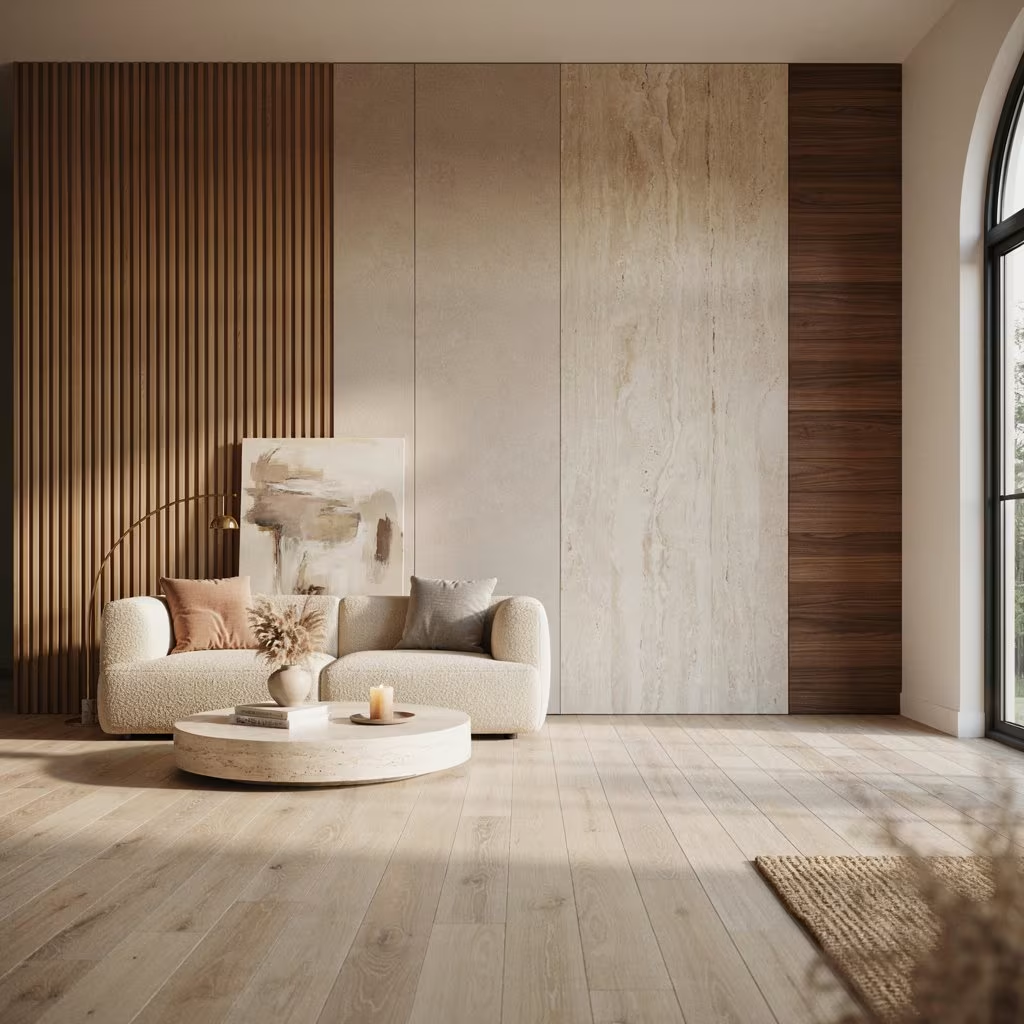
If you’ve scrolled past one too many “boring drywall” photos on your renovation board, you already know why modern wall panels are everywhere right now. They turn a flat, forgettable wall into a textured, architectural feature without the mess of a full remodel. But here’s the catch: not every panel behaves the same way. Some are built for humid bathrooms, some are built to soak up sound in a home office, and some are built purely to turn heads.
This guide breaks down every major type of modern wall panel fluted, acoustic, 3D, and decorative – and compares them side by side on the things that actually decide whether your installation is a win or a regret: cost, temperature and humidity tolerance, lifespan, and real pros and cons. By the end, you’ll know exactly which panel fits your room, your climate, and your budget going into 2027.
Quick Answer: What Are Modern Wall Panels?
Modern wall panels are pre-fabricated wall coverings made from wood, wood-plastic composite (WPC), MDF, PVC, or stone-effect composites installed over drywall or studs to add texture, insulation, or acoustic control. They’re grouped into four popular styles: fluted wall panels (grooved, linear texture), acoustic wall panels (felt-backed, sound-absorbing), 3D wall panels (geometric, sculptural relief), and decorative wall panels (veneer, stone-effect, or mixed-material finishes). Prices typically run $4–$45 per square foot installed, depending on material and design complexity.
Why Modern Wall Panels Are Dominating Renovation Trends in 2027
The wall panel market has grown fast, and 2027 is shaping up to be the year panels move from an “accent wall trend” to a standard renovation line item right alongside flooring and lighting. A few forces are driving it:
- Renovation over relocation. With housing costs still high, homeowners are investing in their existing walls instead of moving.
- Hybrid work is permanent. Home offices need acoustic wall panels to look professional on video calls and actually sound good.
- Sustainability pressure. Buyers are asking about FSC-certified wood, recycled PET felt, and low-VOC finishes before they ask about color.
- DIY-friendly clip systems. Modern wall panels now click, snap, or peel-and-stick into place, cutting labour costs dramatically compared to plaster or tile work.
Whatever the reason you’re renovating, modern wall panels solve texture, sound, and durability problems that paint alone never could.
Types of Modern Wall Panels Compared
Not all panels serve the same purpose. Here’s how the four leading styles stack up in 2027.
1. Fluted Wall Panels
Fluted wall panels feature evenly spaced vertical or horizontal grooves that catch light and shadow, creating a rhythmic, architectural look. They’re the single most requested style for TV walls, kitchen islands, and wardrobe fronts.
- Best for: Living rooms, bedroom headboards, kitchen island cladding, wardrobe doors
- Common materials: WPC, solid wood veneer, MDF
- 2027 finish trend: Fine-pitch fluting (narrower, tighter grooves) is replacing the bold, wide-groove look popular a few years ago
Pros:
- Adds instant depth without bulky installation
- Available in dozens of stains, from black ebony to natural oak
- Clip-based systems make DIY installation realistic for most homeowners
Cons:
- Grooves collect dust and need occasional vacuuming or wiping
- Solid wood versions are moisture-sensitive and unsuitable for wet rooms
2. Acoustic Wall Panels
Acoustic wall panels combine a slat or fabric-wrapped surface with a felt or foam core that absorbs sound. What started as a commercial studio product is now a mainstream home feature.
- Best for: Home offices, media rooms, open-concept living areas, bedroom headboard walls
- Common materials: Wood slats over PET felt, MDF core with fabric wrap
- 2027 shift: Full-height, floor-to-ceiling acoustic installations are replacing standalone, upholstered headboards
Pros:
- Genuinely reduces echo and improves speech clarity on video calls
- Doubles as a design feature, not just a functional add-on
- Works well layered with fluted or veneer panels for a mixed-material wall
Cons:
- Higher price point than plain fluted or PVC panels
- Felt backing can trap odors in kitchens, so it’s not ideal near cooking areas
3. 3D Wall Panels
3D wall panels use geometric relief hexagons, waves, diamonds, and cubes to turn light and shadow into the main design element. They’re the boldest option on this list and read as a genuine architectural statement.
- Best for: Accent walls, hotel lobbies, retail feature walls, statement bedroom or living room walls
- Common materials: PVC, gypsum, MDF, leather-wrapped composite, concrete composite
- 2027 shift: “Panel drenching”, extending 3D texture across an entire wall or even onto the ceiling is replacing single accent-wall use
Pros:
- Highest visual impact per square foot of any panel type
- Lightweight composite options mimic stone or concrete without the structural weight
- Easy to install over existing drywall with adhesive or clip systems
Cons:
- Deep relief patterns are harder to clean than flat panels
- Bold geometry can date faster than a simple fluted or veneer look
- Not all 3D panels include acoustic backing, so don’t assume soundproofing
4. Decorative Wall Panels
Decorative wall panels is the umbrella category for veneer, stone-effect, UV marble, and upholstered panels chosen primarily for finish and material authenticity rather than shape.
- Best for: Fireplace surrounds, feature walls, formal living and dining rooms
- Common materials: Solid wood veneer (walnut, oak, elm), UV marble sheets, upholstered fabric or leather
- 2027 shift: Mixed-material walls with a stone effect on the lower third and wood slat above are replacing single-material feature walls
Pros:
- Solid veneer and stone-effect options look genuinely premium, not “panelled”.
- UV marble sheets deliver a real stone look at a fraction of the installed weight and cost
- Wide range of price points, from budget PVC to luxury solid veneer
Cons:
- Real wood veneer is the most expensive material on this list and needs periodic conditioning
- Some upholstered panels are harder to spot-clean than hard-surface alternatives
Modern Wall Panels Comparison Table: Cost, Durability & Climate Fit
This is the comparison most guides skip — and it’s the one that actually decides whether a panel is the right buy for your room.
| Panel Type | Avg. Installed Cost (per sq ft) | Expected Lifespan | Best Temp/Humidity Range | Sound Insulation | Maintenance |
| Fluted Panels (WPC) | $6–$18 | 15–20 years | Tolerates humidity well; avoid heat over 140°F | Low–Moderate | Wipe monthly |
| Fluted Panels (Solid Wood) | $15–$35 | 20–25 years w/ care | Stable interiors only; avoid bathrooms | Low | Dust weekly, condition yearly |
| Acoustic Panels | $10–$28 | 12–18 years | Climate-controlled interiors; felt degrades in humidity | High | Vacuum felt monthly |
| 3D Panels (PVC/Composite) | $4–$16 | 10–15 years | Excellent humidity resistance; safe for wet rooms | Low–Moderate | Damp wipe |
| Decorative Veneer Panels | $18–$45 | 20–30 years | Stable indoor temp only; humidity-sensitive | Low | Dust, re-oil periodically |
| UV Marble / Stone-Effect | $12–$30 | 15–25 years | Highly stable across temp/humidity extremes | Low | Wipe clean, no sealing |
Reading the table: if you’re panelling a bathroom or kitchen backsplash, PVC-based 3D panels or UV marble sheets outperform anything with a wood core. If you want the panel to last a generation, solid veneer and stone-effect composites hold up longest but only in stable, climate-controlled rooms. Acoustic panels trade some lifespan for the sound benefit, so they’re worth it specifically where echo is a real problem, not as a default choice for every wall.
Temperature, Humidity & Long-Term Durability: What Actually Wears Panels Out
Most buying guides mention “durable” without explaining why one panel outlasts another. In practice, three environmental factors do the damage:
- Humidity swings Solid wood and veneer panels expand and contract with moisture. In bathrooms, kitchens, or basements, this causes warping over 2–3 years. WPC and PVC panels resist this because their polymer content doesn’t absorb water the way wood fibres do.
- Direct heat exposure Panels near fireplaces, radiators, or south-facing windows with intense sun can discolour or warp faster. Stone-effect and UV marble panels handle heat exposure best; felt-backed acoustic panels handle it worst, since heat can dry and crack the backing.
- UV exposure Sunlight fades stains and finishes over time. Exterior-rated fluted panels use UV-stabilised coatings designed to hold colour for 10+ years; interior-only panels aren’t built for that and will fade faster in bright rooms.
Rule of thumb for 2027 renovations: match the panel’s material to the room’s moisture and temperature profile before you match it to the colour scheme. A beautiful walnut veneer wall in a steamy bathroom will not survive its warranty period, no matter how well it’s installed.
Pros and Cons at a Glance
| Factor | Fluted Panels | Acoustic Panels | 3D Panels | Decorative/Veneer |
| Visual impact | High | Moderate–High | Highest | High |
| Sound absorption | Low | Highest | Low–Moderate | Low |
| Humidity resistance | Moderate (WPC) / Low (wood) | Low | Highest (PVC/composite) | Moderate |
| Installation difficulty | Easy (clip system) | Moderate | Easy–Moderate | Moderate–Hard |
| Long-term cost value | Strong | Moderate | Strong | Strong (stable climate) |
What Modern Wall Panels Cost in 2027 (And Why Prices Are Shifting)
Material costs for WPC and recycled-PET panels have stayed relatively flat, but labour and premium veneer costs are trending upward heading into 2027, driven by demand outpacing skilled installer supply in several markets. Here’s a realistic budget breakdown:
- Budget tier ($4–$10/sq ft): PVC 3D panels, basic WPC fluted slats (good for renters), accent walls, or first-time DIY projects
- Mid tier ($10–$22/sq ft): Acoustic slat panels, mixed WPC/veneer trim combinations – the sweet spot for most living rooms and home offices
- Premium tier ($22–$45/sq ft): Solid wood veneer, UV marble sheets, custom upholstered panels reserved for feature walls, fireplaces, and luxury builds
A typical 10×10-foot accent wall (100 sq ft) runs $400–$1,000 in the budget tier, $1,000–$2,200 in the mid tier, and $2,200–$4,500 at the premium end, including standard clip-system installation. DIY installation can cut labour costs by 30–50% on fluted and 3D panels, but acoustic and veneer panels are worth hiring a professional for; precise alignment matters more with those materials.
Step-by-Step How to Install Modern Wall Panels
- Measure and plan your layout. Calculate total square footage plus 10% waste allowance, and map out where seams and corner trims will fall before you buy a single panel.
- Check your wall surface. Panels need a flat, clean, dry substrate. Patch holes and let any fresh drywall compound cure fully before installing.
- Start from the centre or a focal point. Most installers begin at the room’s visual centre (like above a fireplace or behind a bed) so any trimmed edge panels land in less noticeable spots.
- Attach the clip or track system. Modern clip systems hide fasteners completely, so double-check level and spacing every 3–4 panels to avoid compounding small errors.
- Install corner and edge trim last. Matching trim in the same material finishes the edges cleanly and protects panel corners from damage.
- Let the panels acclimatise first. Especially for wood and WPC panels, leave them in the room for 48 hours before installing so they adjust to the room’s humidity and temperature.
If any of that sounds like more than a weekend project, that’s a fair read. Acoustic and veneer installs in particular benefit from an experienced hand, and getting renovation help from a wall panel specialist upfront avoids costly redo’s.
Where Modern Wall Panels Deliver the Most Value
- Living room TV or fireplace wall Fluted or 3D panels here create the single highest “wow factor per dollar” of any room in the house.
- Home office Acoustic wall panels behind your desk pay for themselves the first time a client or coworker comments on how clear your video calls sound.
- Bedroom headboard wall A floor-to-ceiling acoustic or fluted wall panel replaces an upholstered headboard and adds real resale appeal.
- Kitchen and bathroom Stick to PVC, WPC, or UV marble panels here; anything with a wood core is the wrong material choice for these rooms.
- Resale consideration: Realtors increasingly cite panel-finished accent walls as a buyer draw in listing photos, particularly fluted and stone-effect styles that read as “already renovated”.
Sustainability What’s Changing for 2027
Buyers are asking harder questions about materials, and suppliers are responding:
- FSC-certified wood veneer is becoming a standard request, not a premium add-on
- Recycled PET felt (made from post-consumer plastic bottles) now backs most quality acoustic panels
- Bamboo-based panels are gaining ground as a rapidly renewable alternative to hardwood veneer
- Low-VOC adhesives and finishes are increasingly required for indoor air quality certifications on commercial projects
If sustainability is a priority for your renovation, ask any supplier directly for certification documentation. Labels like “eco-friendly” without backing paperwork are a red flag, not a guarantee.
How to Choose the Right Modern Wall Panel for Your Project
Work through these questions in order, and the right category usually becomes obvious:
- Is the room humid or dry? Humid → PVC, WPC, or UV marble. Dry, climate-controlled → wood veneer or acoustic panels are safe.
- Do you need sound control? If echo or noise bleed is a real problem, acoustic panels justify their higher price. If not, save the money.
- What’s your visual goal subtle texture or a statement? Fluted and veneer panels lean subtle to warm. 3D panels lean bold and sculptural.
- DIY or professional install? Fluted and PVC 3D panels are the most forgiving for a first DIY attempt. Veneer and acoustic panels reward professional installation.
- What’s the budget ceiling? Set your tier (budget/mid/premium) before you fall in love with a finish that’s outside it. Mixed-material walls are a great way to get a premium look at a mid-tier price.
Still unsure which combination fits your space? Getting a quick assessment from a wall panel renovation expert – even just photos and room dimensions – is the fastest way to avoid an expensive mismatch between material and room condition.
Final Thoughts
Modern wall panels are no longer a one-size-fits-all purchase; the right choice in 2027 depends on matching material to room, climate, and purpose, not just picking whatever looks best in a showroom photo. Fluted panels bring warmth and texture, acoustic panels solve real sound problems, 3D panels deliver maximum visual drama, and decorative veneer panels bring lasting, premium character to a space. Get the material-to-room match right, and a wall panel installation is one of the few renovations that pays you back in both daily enjoyment and resale appeal for decades.
Ready to renovate your walls the right way? Talk to a wall panel specialist for a free material and cost assessment tailored to your room, climate, and budget before you buy a single panel.